

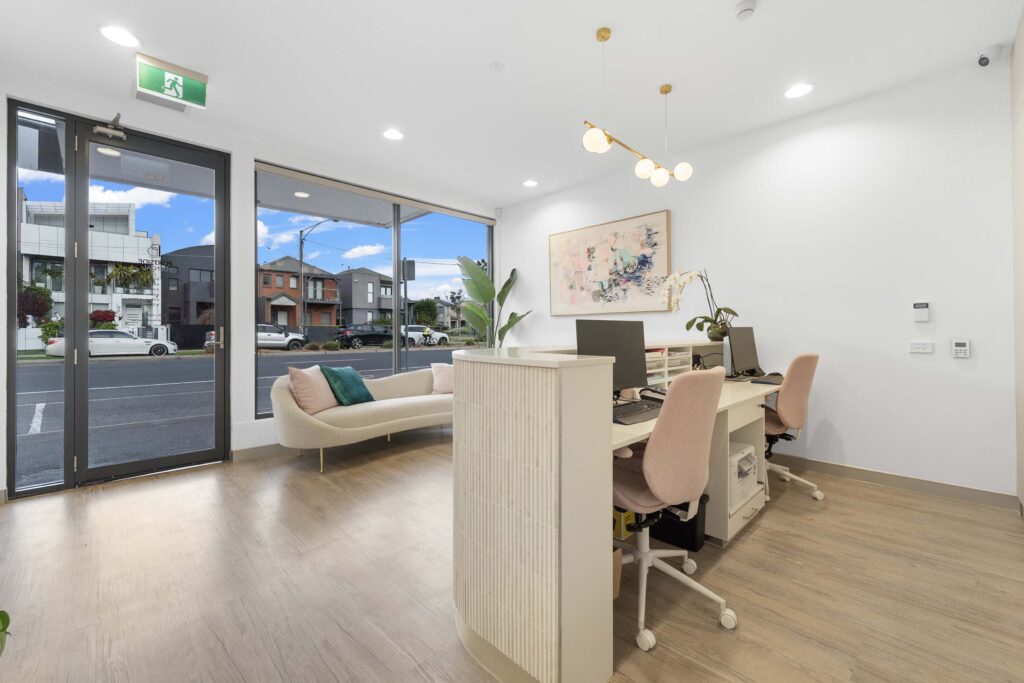
Planning a new veterinary clinic or refurbishing an existing one is a significant undertaking. The design and construction of your practice space will have a lasting impact on your team’s efficiency, your patients’ comfort, and your business’s capacity for growth. A forward-thinking approach to your veterinary practice design is essential for long-term success.
Considering future needs from the outset can prevent costly and disruptive renovations down the line. A successful vet fitout is one that not only meets your current requirements but also anticipates future developments in veterinary medicine and potential business expansion. Strategic planning allows you to build a facility that can adapt to new technologies, changing client expectations, and an increasing patient load.
This forward-looking perspective is fundamental to creating a practice that thrives. It involves looking beyond the immediate needs of today and envisioning where your practice will be in five, ten, or even fifteen years. By integrating flexibility into the core design, you ensure your clinic remains a modern, functional, and welcoming environment for years to come.
Designing for Scalability and Growth
A primary consideration for a future-ready clinic is scalability. Your practice may start small, but as your client base grows, so will your need for space and resources. A modular design approach can be highly effective. This involves creating spaces that can be easily repurposed or expanded.
For instance, a storage room could be designed with plumbing and electrical infrastructure already in place, allowing for a smooth conversion into an additional consultation room or a dental suite. Similarly, planning for extra space in the reception area can help manage increased foot traffic as your practice expands. In Australia, where suburban growth can be rapid, planning for this expansion from day one is a wise investment.
Integrating Technological Advancements
Veterinary medicine is continually evolving, with new diagnostic tools and treatment technologies emerging regularly. A future-ready fitout should accommodate these innovations. This means planning for sufficient power outlets, robust data cabling, and dedicated spaces for specialised equipment that you may not own yet.
Think about the rise of digital radiography, in-house laboratory equipment, and telehealth services. Your fitout should support these functions with appropriate infrastructure. For example, well-placed data points and a strong Wi-Fi network are no longer optional extras; they are necessities for a modern practice. Ensuring your treatment areas have the flexibility to house new machinery will keep your clinic at the forefront of animal care.
Enhancing Workflow and Staff Well-being
An efficient workflow is the backbone of a productive veterinary practice. A well-designed layout minimises unnecessary movement, reduces physical strain on staff, and streamlines daily operations. Consider creating distinct zones for different activities, such as public, clinical, and staff-only areas, to improve flow and reduce cross-contamination risks.
Furthermore, staff well-being is increasingly recognised as a vital component of a successful practice. Incorporating natural light, providing comfortable break areas, and designing ergonomic workstations can boost morale and reduce burnout. A happy and healthy team is better equipped to provide excellent care, making staff-centric design a smart long-term strategy for your clinic.
Comments are closed.