

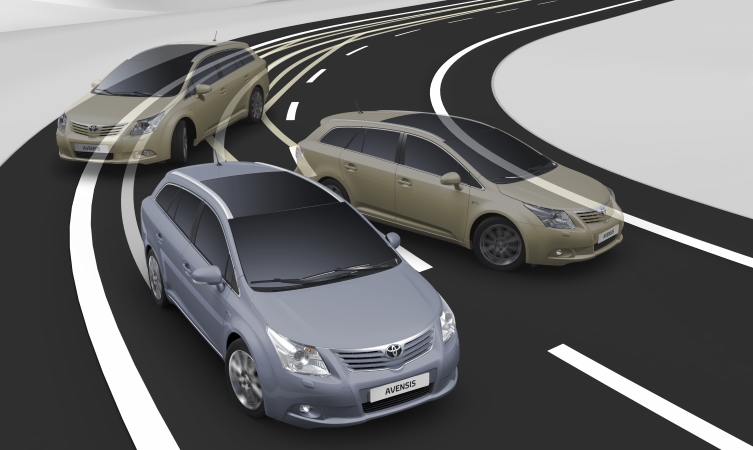
Modern vehicles are equipped with advanced safety technologies designed to reduce accidents and improve driver confidence. One of the most important among them is the vehicle stability control system. This technology works silently in the background, helping drivers maintain control during difficult road conditions such as sudden turns, slippery surfaces, or emergency maneuvers.
Understanding how stability control works and why it matters can help drivers appreciate its role in everyday safety and long-term vehicle reliability.
What Is a Vehicle Stability Control System
Vehicle Stability Control, often called Electronic Stability Control or ESC, is an intelligent safety feature that helps prevent loss of steering control. It detects when a vehicle begins to skid or deviate from the driver’s intended path and automatically applies braking to individual wheels to restore stability.
The system works by continuously monitoring:
- Steering angle
- Wheel speed
- Lateral acceleration
- Vehicle rotation direction
When instability is detected, the system intervenes instantly to correct the vehicle’s movement.
How Vehicle Stability Control Works
The stability control system combines multiple sensors with onboard computing software to maintain control during risky driving situations.
Its operation typically follows these steps:
- Sensors detect abnormal vehicle movement
- The system compares intended direction with actual direction
- Individual wheels receive controlled braking force
- Engine power may be reduced if necessary
- Vehicle returns to its intended path
This process happens within milliseconds and usually without noticeable driver intervention.
Key Benefits of Vehicle Stability Control Systems
Vehicle stability control systems play a crucial role in improving road safety and driving comfort. Their benefits extend beyond emergency situations and contribute to everyday driving confidence.
Improved Control During Sudden Maneuvers
Unexpected situations such as avoiding obstacles or sharp turns can cause vehicles to lose balance. Stability control helps maintain directional control by adjusting braking pressure automatically.
Reduced Risk of Skidding on Slippery Roads
Wet roads, gravel surfaces, or icy conditions increase the chances of skidding. Stability control detects wheel slip and corrects the vehicle’s movement quickly.
Enhanced Cornering Stability
During high-speed turns, vehicles may drift outward due to centrifugal force. Stability control helps keep the vehicle aligned with the intended direction by balancing wheel braking.
Increased Driver Confidence
Drivers often feel more secure knowing their vehicle includes advanced safety support systems. This confidence contributes to safer decision-making on the road.
Better Integration With Other Safety Systems
Stability control works alongside:
- Anti-lock braking systems
- Traction control systems
- Electronic brake-force distribution
- Advanced driver assistance features
Together, these systems create a comprehensive safety network.
Importance of Stability Control in Emergency Situations
Emergency driving conditions demand rapid responses that exceed normal human reaction speed. Stability control systems assist drivers when:
- Avoiding sudden obstacles
- Driving on uneven terrain
- Navigating sharp highway curves
- Encountering unexpected tyre grip loss
These systems significantly reduce rollover risks, especially in taller vehicles such as SUVs.
Difference Between Stability Control and Traction Control
Although both systems improve vehicle safety, they serve different purposes.
Traction control focuses on preventing wheel spin during acceleration, especially on slippery surfaces. Stability control goes further by correcting directional movement when the vehicle starts drifting sideways.
In simple terms:
- Traction control manages forward grip
- Stability control manages directional balance
Both technologies often operate together for maximum effectiveness.
When Stability Control Activates While Driving
Drivers may notice stability control activating in several situations.
Common triggers include:
- Sudden steering corrections
- Driving on wet roads
- Loose gravel surfaces
- Sharp cornering at higher speeds
- Emergency lane changes
A dashboard indicator light usually flashes briefly when the system intervenes.
Maintenance Tips for Stability Control Systems
Stability control systems require minimal maintenance, but proper vehicle care ensures optimal performance.
Drivers should:
- Maintain correct tyre pressure
- Replace worn tyres on time
- Service braking systems regularly
- Keep wheel alignment properly adjusted
- Avoid ignoring dashboard warning lights
Routine servicing ensures sensors and braking components remain fully functional.
Why Stability Control Is Essential in Modern Vehicles
Road conditions are unpredictable, and driver reactions alone cannot always prevent accidents. Stability control systems provide an additional layer of protection that works continuously without requiring manual input.
Because of its proven effectiveness in preventing loss-of-control accidents, stability control has become a standard safety feature in most modern vehicles worldwide.
Frequently Asked Questions
Does stability control improve fuel efficiency
Stability control does not directly improve fuel efficiency, but it contributes to smoother driving behavior that can indirectly support better fuel usage over time.
Can stability control prevent all accidents
No safety system can prevent every accident, but stability control significantly reduces the risk of loss-of-control crashes in challenging driving conditions.
Is it safe to drive when the stability control warning light stays on
If the warning light remains on continuously, the system may not be functioning properly. The vehicle should be inspected by a qualified technician.
Does stability control work on rough rural roads
Yes, stability control helps maintain directional control on loose gravel and uneven rural surfaces where wheel slip is more likely.
Can stability control help during high-speed highway driving
Yes, it assists in maintaining vehicle balance during sudden lane changes and emergency steering maneuvers at highway speeds.
Do stability control systems increase vehicle maintenance costs
No, they generally do not increase maintenance costs significantly because they rely on existing braking and sensor systems already present in modern vehicles.
Is stability control useful for new drivers
Yes, it is especially helpful for new drivers because it provides additional protection during unexpected steering situations and slippery road conditions.
Comments are closed.