

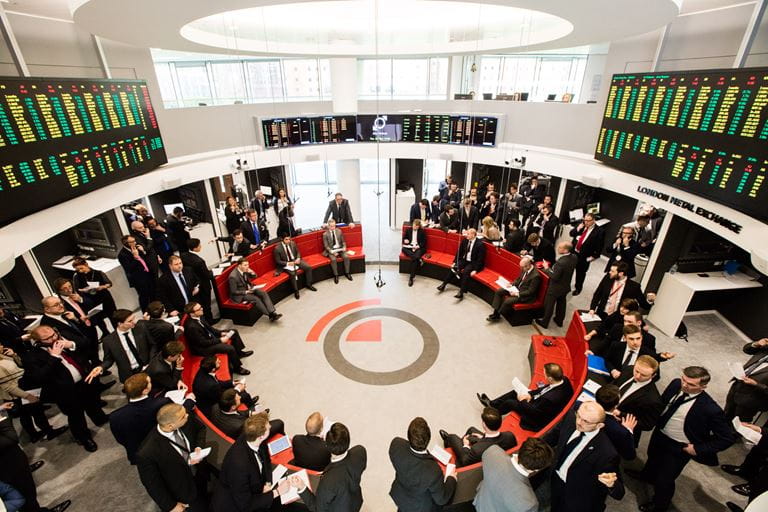
Introduction to Commodity Exchanges
A commodity exchange is a regulated marketplace where buyers and sellers trade standardized commodity contracts such as metals, agricultural products, and energy resources. These exchanges ensure transparent pricing, structured trading systems, and secure settlement mechanisms.
They play an essential role in the global economy by supporting price discovery, risk management, and liquidity in commodity markets.
Today, commodity exchanges operate both through physical trading floors and advanced electronic platforms that allow global participation.
Why Commodity Exchanges Are Important
Commodity exchanges support economic activity across industries and countries. Their importance can be understood through several functions:
- Providing transparent market prices
- Allowing producers to manage price risks
- Supporting investors with diversification opportunities
- Ensuring standardized contract trading
- Strengthening international trade systems
Because commodities are essential for manufacturing, agriculture, and energy production, exchanges help maintain stability in supply chains.
Chicago Mercantile Exchange
The Chicago Mercantile Exchange is one of the largest derivatives exchanges in the world. It offers trading in agricultural commodities, metals, energy products, and financial derivatives.
Key commodities traded include:
- Corn
- Wheat
- Soybeans
- Livestock
- Energy contracts
The exchange plays a major role in global agricultural price benchmarking and risk management.
New York Mercantile Exchange
The New York Mercantile Exchange specializes mainly in energy and metal futures trading. It is widely recognized for its influence on global energy pricing.
Major commodities traded include:
- Crude oil
- Natural gas
- Gold
- Silver
Energy companies, investors, and governments closely monitor price movements on this exchange.
London Metal Exchange
The London Metal Exchange is the world’s leading marketplace for industrial metals trading. It supports industries that depend on raw materials for manufacturing and infrastructure development.
Important metals traded include:
- Copper
- Aluminum
- Zinc
- Nickel
- Lead
Manufacturers and mining companies rely on this exchange for long term pricing stability and hedging strategies.
Multi Commodity Exchange of India
The Multi Commodity Exchange of India is one of the largest commodity derivatives exchanges in India. It provides trading opportunities in metals, energy commodities, and agricultural products.
Popular commodities traded include:
- Gold
- Silver
- Crude oil
- Copper
- Natural gas
The exchange supports Indian investors, farmers, and businesses in managing commodity price risks effectively.
Shanghai Futures Exchange
The Shanghai Futures Exchange is an important commodity exchange in Asia. It plays a major role in metal trading and reflects industrial demand from the manufacturing sector.
Major commodities traded include:
- Copper
- Aluminum
- Steel
- Rubber
Its pricing influence has grown significantly due to China’s role in global manufacturing.
Tokyo Commodity Exchange
The Tokyo Commodity Exchange focuses mainly on energy and precious metals trading in the Asian region.
Key commodities traded include:
- Gold
- Platinum
- Crude oil
- Rubber
It supports price discovery for commodities used widely in Asian industrial markets.
Intercontinental Exchange
The Intercontinental Exchange operates global electronic marketplaces for commodity and financial derivatives. It plays a major role in energy trading and agricultural commodity contracts.
Major commodities traded include:
- Brent crude oil
- Coffee
- Sugar
- Cotton
Its electronic trading platforms allow participation from traders worldwide.
How Commodity Exchanges Support Global Trade
Commodity exchanges strengthen international markets by providing structured systems for trading and settlement.
Their contributions include:
- Ensuring fair and transparent pricing systems
- Reducing risk through standardized contracts
- Supporting producers in planning future output
- Helping industries control production costs
- Encouraging investor participation in commodity markets
These functions make commodity exchanges essential components of modern financial infrastructure.
Factors That Influence Exchange Activity
Trading activity on commodity exchanges depends on several economic and environmental factors.
Important influences include:
- Global demand for raw materials
- Weather conditions affecting agriculture
- Political developments affecting supply chains
- Currency fluctuations
- Inflation trends in major economies
Such factors directly affect commodity prices and trading volumes.
Role of Technology in Modern Commodity Exchanges
Technology has transformed commodity exchanges from physical trading floors into highly efficient digital platforms.
Modern improvements include:
- Electronic order matching systems
- Real time price monitoring
- Automated settlement processes
- Global investor access through online trading
These developments have increased participation and improved market transparency.
Frequently Asked Questions
What is the primary purpose of a commodity exchange
The primary purpose is to provide a regulated marketplace where standardized commodity contracts can be traded securely and transparently.
Which commodity exchange is most influential globally
Several exchanges are influential, but those specializing in energy, metals, and agricultural commodities collectively shape global pricing trends.
Can small investors participate in commodity exchanges
Yes, individual investors can trade commodity derivatives through registered brokerage platforms connected to exchanges.
Are commodity exchanges only used for futures trading
No, many exchanges support futures, options, and sometimes spot trading depending on regulations.
Why are metal prices often linked to specific exchanges
Industrial metals are traded heavily on specialized exchanges that act as global pricing reference points for manufacturers.
How do commodity exchanges ensure safe transactions
They use clearing houses, margin systems, and standardized contracts to reduce counterparty risk.
Do commodity exchanges affect retail prices of goods
Yes, exchange prices influence raw material costs, which eventually impact the prices consumers pay for finished products.
Comments are closed.